
As someone with AB+ blood, I always figured donating was pointless. AB+ is the “universal recipient.” I can take red cells from anybody, so I assumed the reverse was true too: that my blood was useful to almost nobody, and that if I gave it, it would just sit on a shelf. So for most of my adult life I didn’t give, and I didn’t think much about it.
Turns out it’s the opposite.
The same thing that lets me receive any blood type is what makes my plasma work for anyone. Red cells and plasma play by different rules. My red cells can only go to someone else who is AB. But my plasma doesn’t carry the antibodies that would attack another person’s red cells, so it can go to a patient of any type. The Red Cross puts it plainly: AB is the only universal plasma. In a trauma bay, that means it can go in before anyone has had time to figure out what type the patient is. When someone is bleeding, the Red Cross says, the time saved can mean the difference between life and death.
The same thing that lets me receive any blood type means my plasma can go to anyone.
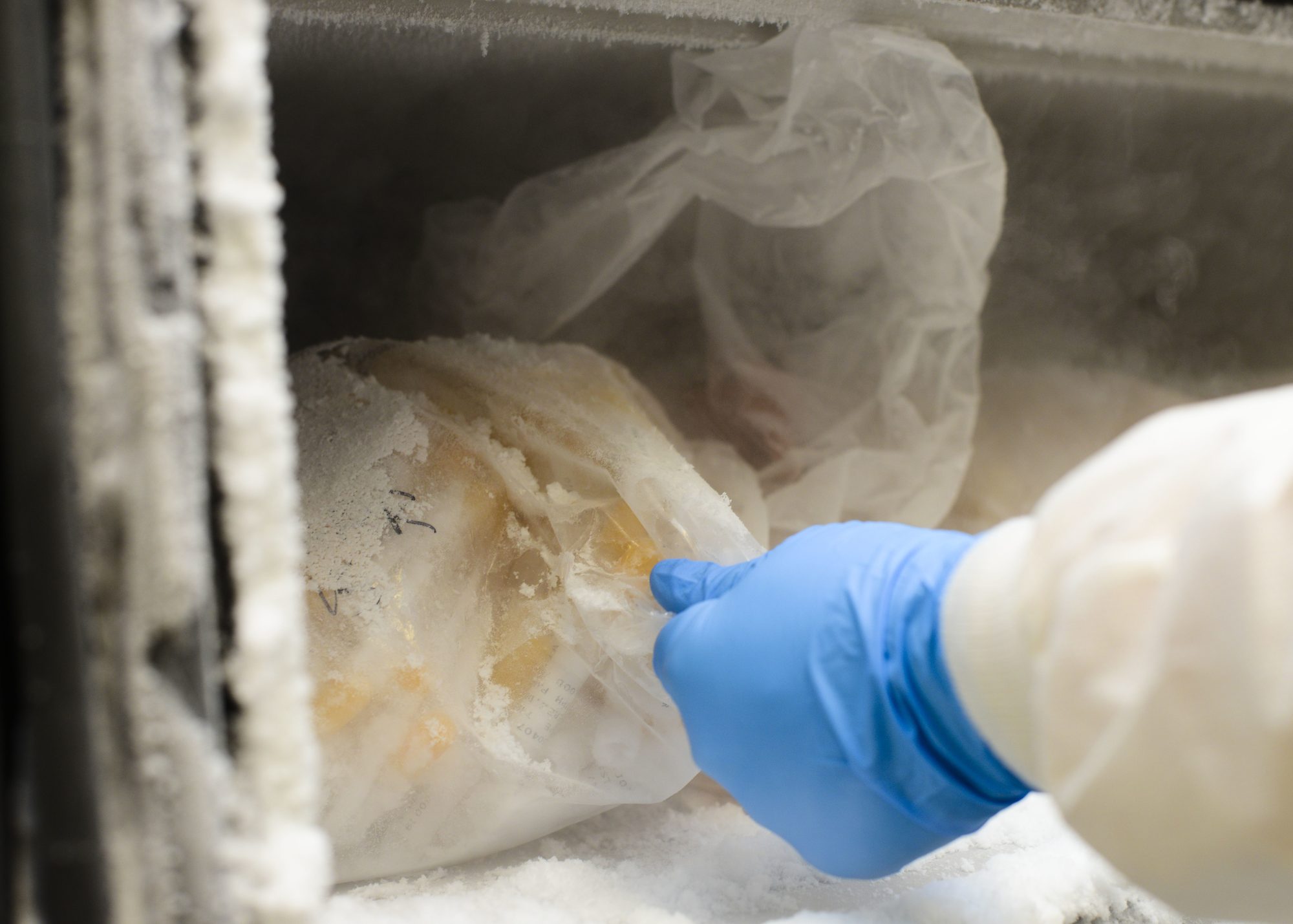
Here’s the part that gets me. My blood does sit on a shelf. Donated plasma is frozen within 24 hours and can be stored for up to a year. I had that fact right and the meaning of it exactly wrong. It isn’t sitting there because nobody wants it. It’s sitting there so it’s ready the moment someone comes through the door bleeding and nobody knows their type yet. The shelf is the point.
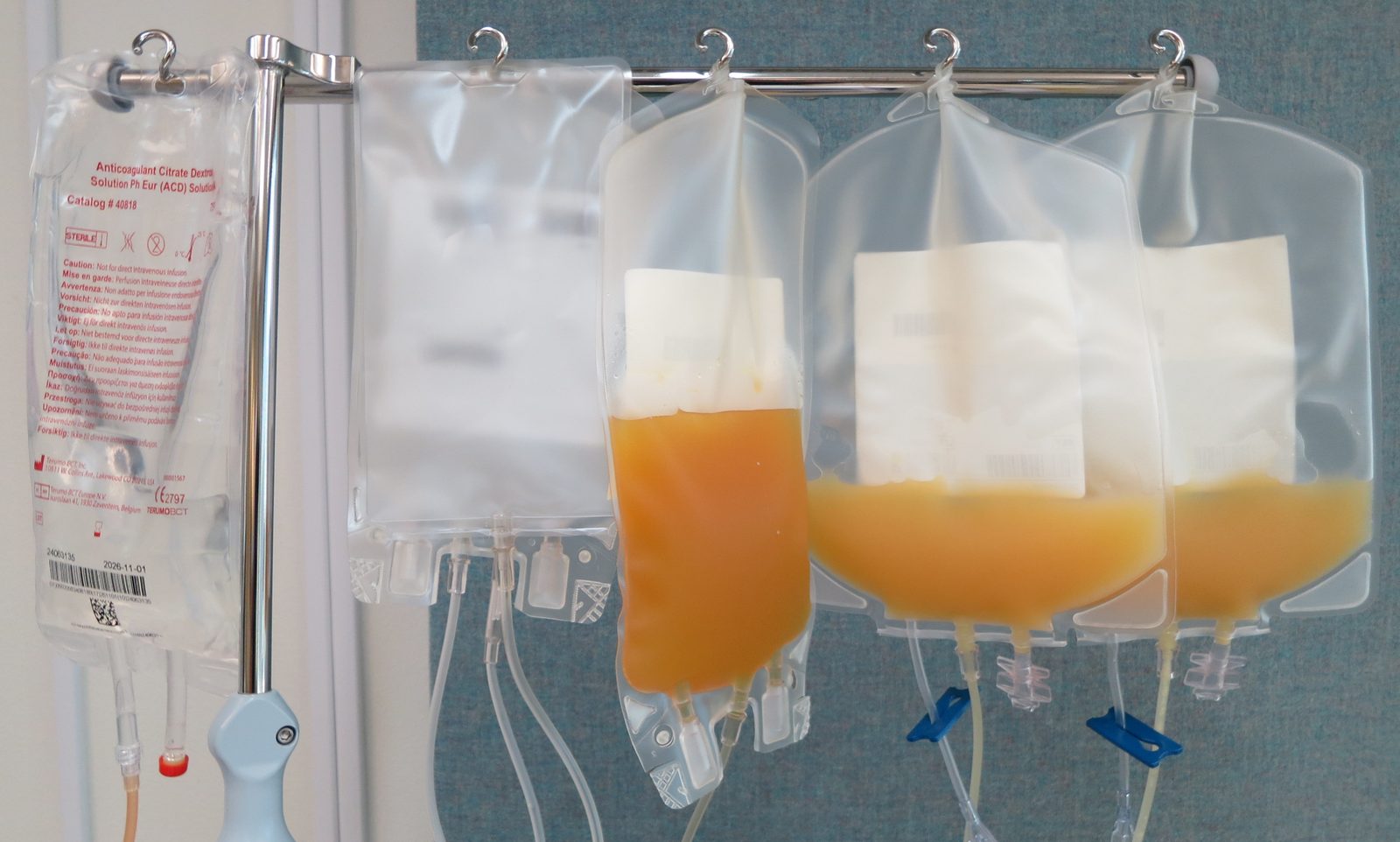
Plasma is the liquid part of blood, a little over half of it. It’s mostly water, but it carries the proteins that make blood clot, and that’s what trauma and burn patients need. It brings their blood volume back up, which can keep them out of shock, and it helps stop the bleeding. That’s the whole job. Help stop the bleeding.
The Red Cross calls AB plasma donors the AB Elite, which is a generous name for a guy lying in a chair for an hour and fifteen minutes. The machine takes blood from one arm, separates out the plasma, and returns the red cells and platelets to you along with some saline. It takes only a few minutes longer than a regular donation. I can do it every 28 days, up to 13 times a year, and a single donation can provide up to four units of plasma to patients who need it. That’s a lot of good for one afternoon.
If you’re AB, you’re one of the few people who can do this. About 4 percent of us. Most people can’t make this particular contribution no matter how much they want to. We can. I spent years assuming I had nothing to give here, and I was wrong. If you’ve been assuming the same thing, I’d ask you to look into it.
Learn about AB Elite plasma donationAnd a shout out to the great staff and volunteers at the American Red Cross. They do the hard part: the needles, the paperwork, the long days, the juice and cookies. Nobody tells them often enough how good of a job they do. Thank you.
I don’t know who ends up with my plasma, and I never will. But I know it’s going somewhere it’s needed, and that is a good feeling to carry out of the building every 28 days.
Sources
- “Plasma Information: The Importance of Plasma in Blood.” American Red Cross Blood Services. redcrossblood.org/donate-blood/dlp/plasma-information.html
- “AB Elite Plasma Donation.” American Red Cross Blood Services. redcrossblood.org/donate-blood/how-to-donate/types-of-blood-donations/plasma-donation.html